Historic Trades and Crafts of Jesmond
Corn mills, flint grinding, coal mining, and Lord Armstrong's engineering revolution -- the trades and industries that shaped Jesmond before the Victorian villas arrived.
Walk along Osborne Road today and Jesmond looks like it has always been a leafy residential suburb of restaurants and Victorian terraces. But the Ouseburn valley that runs through Jesmond Dene was an industrial corridor for centuries before Lord Armstrong landscaped it into a park, and the hillsides above were pockmarked with small coal mines.
Corn Milling
The oldest trade in Jesmond was milling. For hundreds of years, water mills along the Ouseburn ground corn from the farms that surrounded the medieval settlement. The river's steady flow and reliable gradient made it ideal for turning millstones.
The Freeman family occupied one of the Jesmond mills for three or four generations, using it as a flour mill. Milling was a regulated trade -- the lord of the manor held the right to compel tenants to grind their corn at his mill, a feudal privilege known as "suit of mill" that generated a steady income from tolls.
As late as the mid-19th century, the remains of several mills were still visible along the Ouseburn. Today, no structures survive above ground, but the mill races and weirs that controlled the water flow shaped the course of the burn through what is now Jesmond Dene.
Best for: The mill races and weirs that once powered Jesmond's corn mills shaped the course of the Ouseburn through what is now Jesmond Dene.
Flint Grinding and Pottery
A more unusual trade took root in Jesmond when a Mr Charlton converted one of the Ouseburn mills to grind flint. The ground flint was barrelled and carted to a pottery near the mouth of the Ouseburn in Byker, where it was mixed with clay to produce earthenware.
Flint grinding was a skilled but hazardous trade. The process created silica dust that caused the lung disease silicosis, and flint grinders rarely lived to old age. The Ouseburn potteries that the ground flint supplied were a significant regional industry, producing domestic stoneware, creamware, and transfer-printed pottery.
Coal Mining
Until the middle of the 19th century, Jesmond had several small coal mines. These were modest operations compared to the great collieries of the Tyne valley, but they supplied local demand and employed a workforce that lived in the area.
The coal seams beneath Jesmond were part of the Great Northern Coalfield. Mining here was small-scale and relatively short-lived -- by the time Jesmond was being developed as a residential suburb in the 1850s and 1860s, most of the pits had closed. The legacy of mining survives in the subsidence that affects some Jesmond properties and in the occasional discovery of old shafts during construction work.
Armstrong's Engineering Empire
The most significant industrial figure in Jesmond's history is William George Armstrong (later Lord Armstrong), the engineer, inventor, and armaments manufacturer. Armstrong began buying land along the Ouseburn valley in the 1850s, eventually acquiring most of what is now Jesmond Dene.
Armstrong's wealth came from engineering and armaments. He invented the hydraulic crane, developed breech-loading artillery, and built the Elswick Works on the Tyne into one of the largest armaments factories in the world. His innovations in hydraulic power, rifled artillery, and warship design made him one of the richest men in Victorian Britain.
Armstrong used his fortune to transform the Ouseburn valley from an industrial corridor into the landscaped parkland of Jesmond Dene, importing exotic plants from around the world. In 1883, he gifted the Dene to the Corporation of Newcastle for the benefit of its citizens -- a gift that remains one of the most generous acts of Victorian philanthropy in the North East.
Best for: Armstrong transformed an industrial valley of mills and mines into the landscaped parkland that became Jesmond Dene, then gave it to the city in 1883.
Quarrying
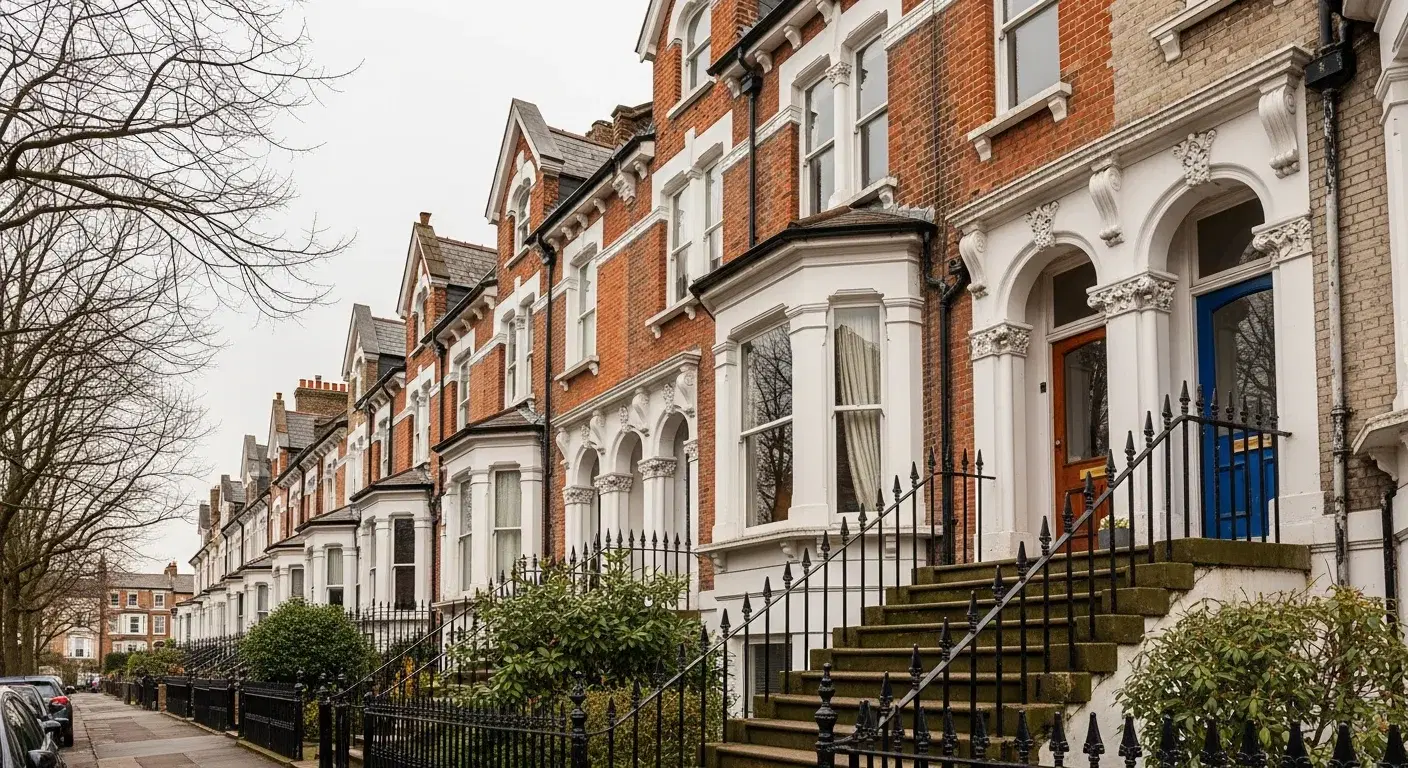
Stone quarrying was another trade that left its mark on Jesmond. Sandstone was extracted from several small quarries in the area, providing building material for the Victorian houses that were transforming Jesmond from farmland into a suburb. The sandstone from which many of Jesmond's terraces are built was quarried locally.
Some of the cuttings and hollows in Jesmond Dene are the remains of old quarry workings, since softened by vegetation and incorporated into the landscape.
Agriculture
Before all of these industries, Jesmond was farmland. The medieval township consisted of scattered farms working open fields, and agriculture continued alongside coal mining and milling into the 19th century. The last farms in Jesmond disappeared in the 1860s and 1870s as the Victorian developers moved in.
The street pattern of modern Jesmond -- the long, straight terraces running at right angles to the main roads -- reflects the boundary lines of the former fields. The developers laid out their streets along the old field boundaries because it was the simplest way to divide the land into building plots.
Evidence That Remains
- Jesmond Dene: The landscaped valley preserves the course of the Ouseburn and the mill races that once powered the corn mills and flint grinders.
- Armstrong Bridge: The 1878 bridge across the Dene was built by Armstrong to connect the two sides of his estate.
- Subsidence: Occasional subsidence in Jesmond properties reveals the legacy of coal mining beneath the suburb.
- Street patterns: The grid of Victorian terraces follows the boundary lines of medieval and post-medieval farm fields.
- Jesmond Old Cemetery: The cemetery, opened in 1836, contains the graves of many of the tradespeople and industrialists who shaped the area.
Frequently Asked Questions
What trades were practised in Jesmond?
Jesmond's historic trades included corn milling, flint grinding for the pottery industry, coal mining, quarrying, and agriculture. Lord Armstrong's engineering and armaments empire was the most significant industrial activity connected to the area.
Was there coal mining in Jesmond?
Yes. Several small coal mines operated in Jesmond until the mid-19th century. They closed as the area was developed for housing, but mining subsidence still occasionally affects properties.
What is the connection between Lord Armstrong and Jesmond?
Lord Armstrong bought land along the Ouseburn valley from the 1850s and transformed it into the landscaped parkland of Jesmond Dene. He gifted the Dene to Newcastle in 1883. His engineering fortune came from the Elswick Works on the Tyne.
Never miss what’s on
Join the weekly Jesmond.live digest — the best events, news and local tips, straight to your inbox. Free, one email a week.